

Digital Invitation Platform · CASE STUDY
Turning a digital invitation service into a platform the business and its customers can manage.
A digital invitation business needs more than a beautiful invitation page — it needs a repeatable way to manage templates, create customer orders, let customers provide their own event content, and publish without rebuilding each order from zero.
- Project Type
- Product Prototype
- Focus
- Digital Invitation Platform
- Demo
- Public demo available
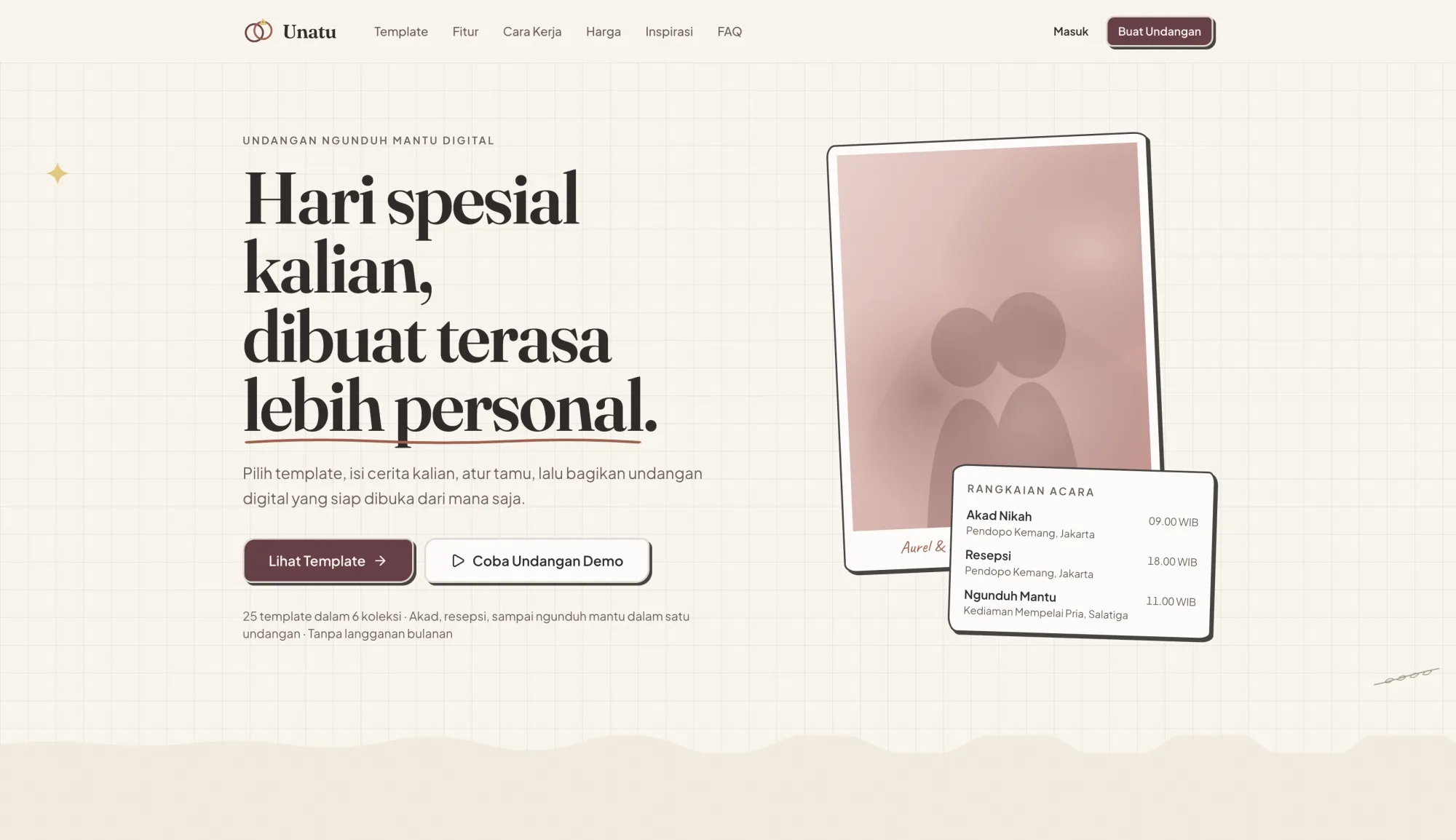
OVERVIEW
Business Context
The operational layer — not the invitation visual itself — is the main case-study story: how templates, customer content, and publishing are organized as a repeatable system.
The Challenge
The real PRD defines three roles — Visitor, Customer, and Admin — each needing a different level of access to templates and content.
SYSTEM
What was designed and built.
Template Management
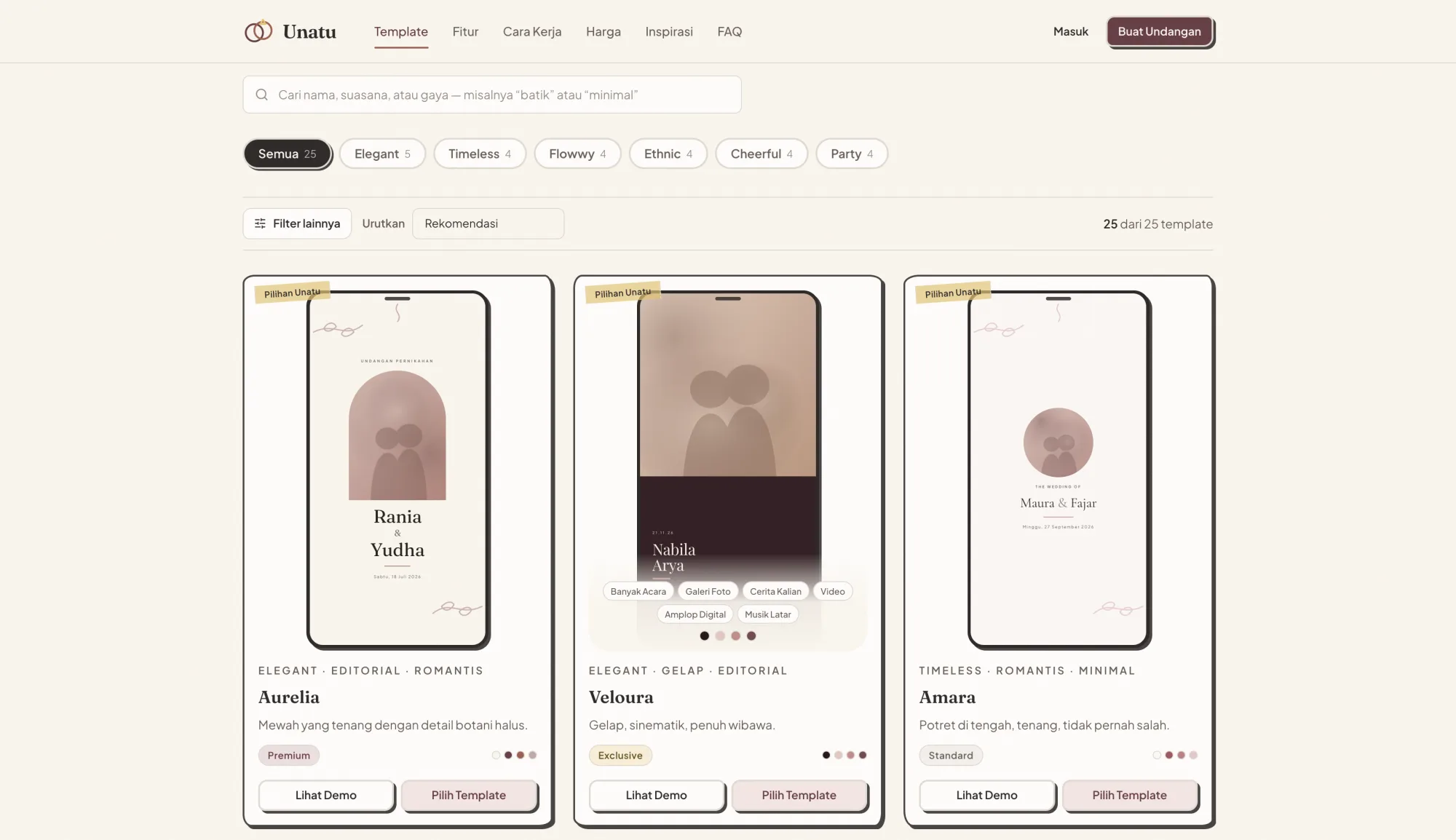
- Template catalogue
- Template administration
Customer Experience
- Customer project / invitation setup
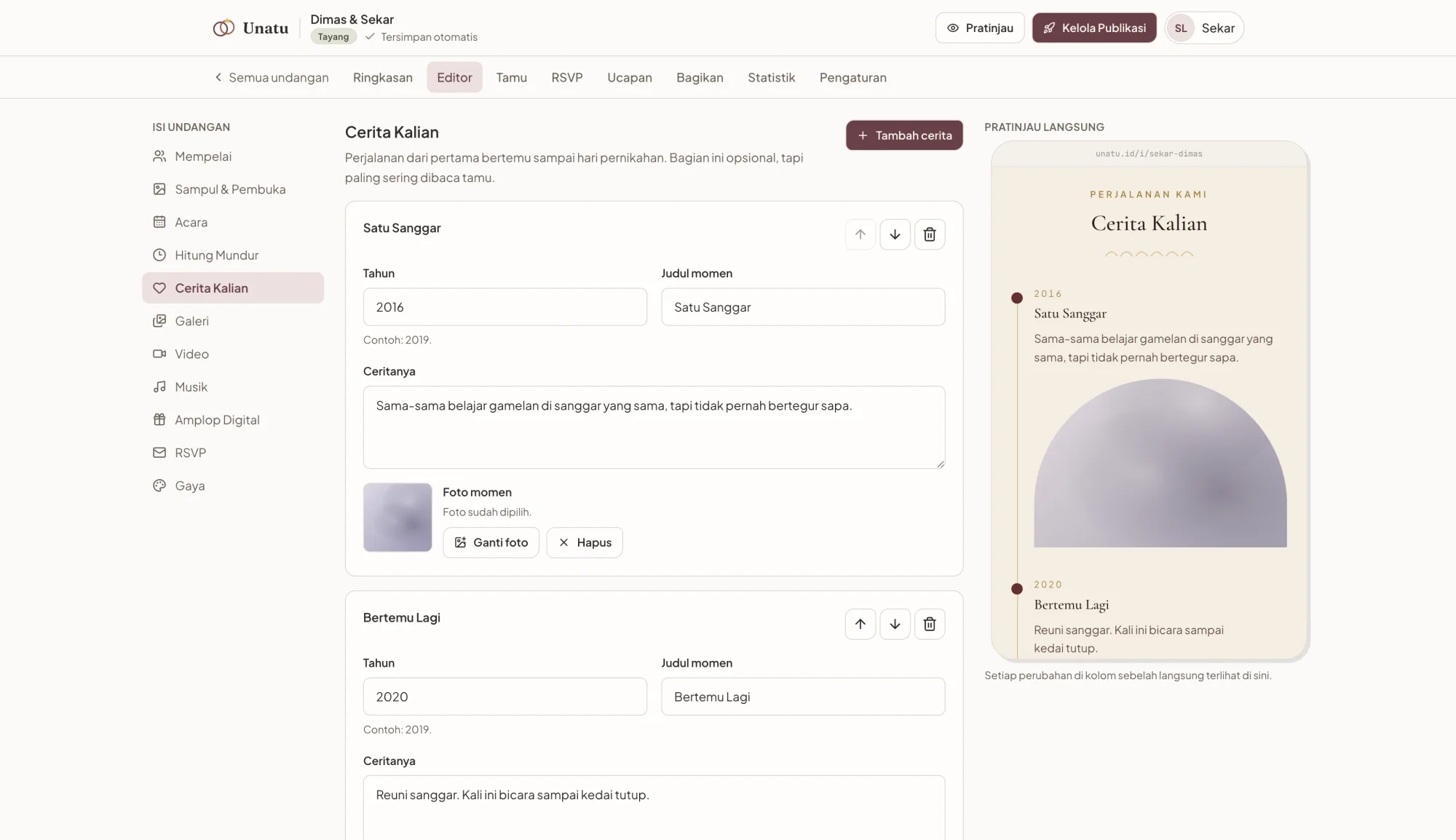
- Content customization
- Invitation preview
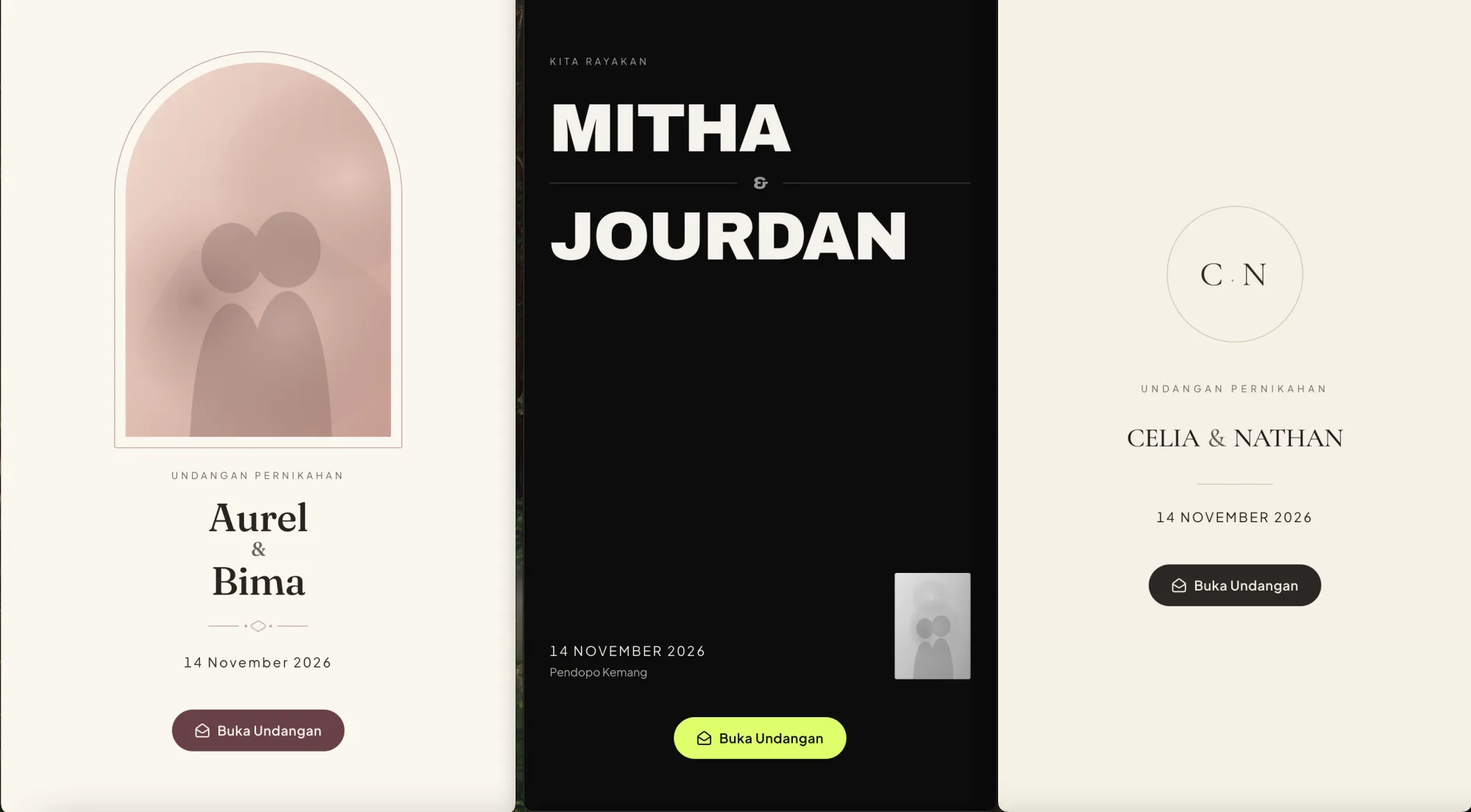
- Public invitation experience
Business Management
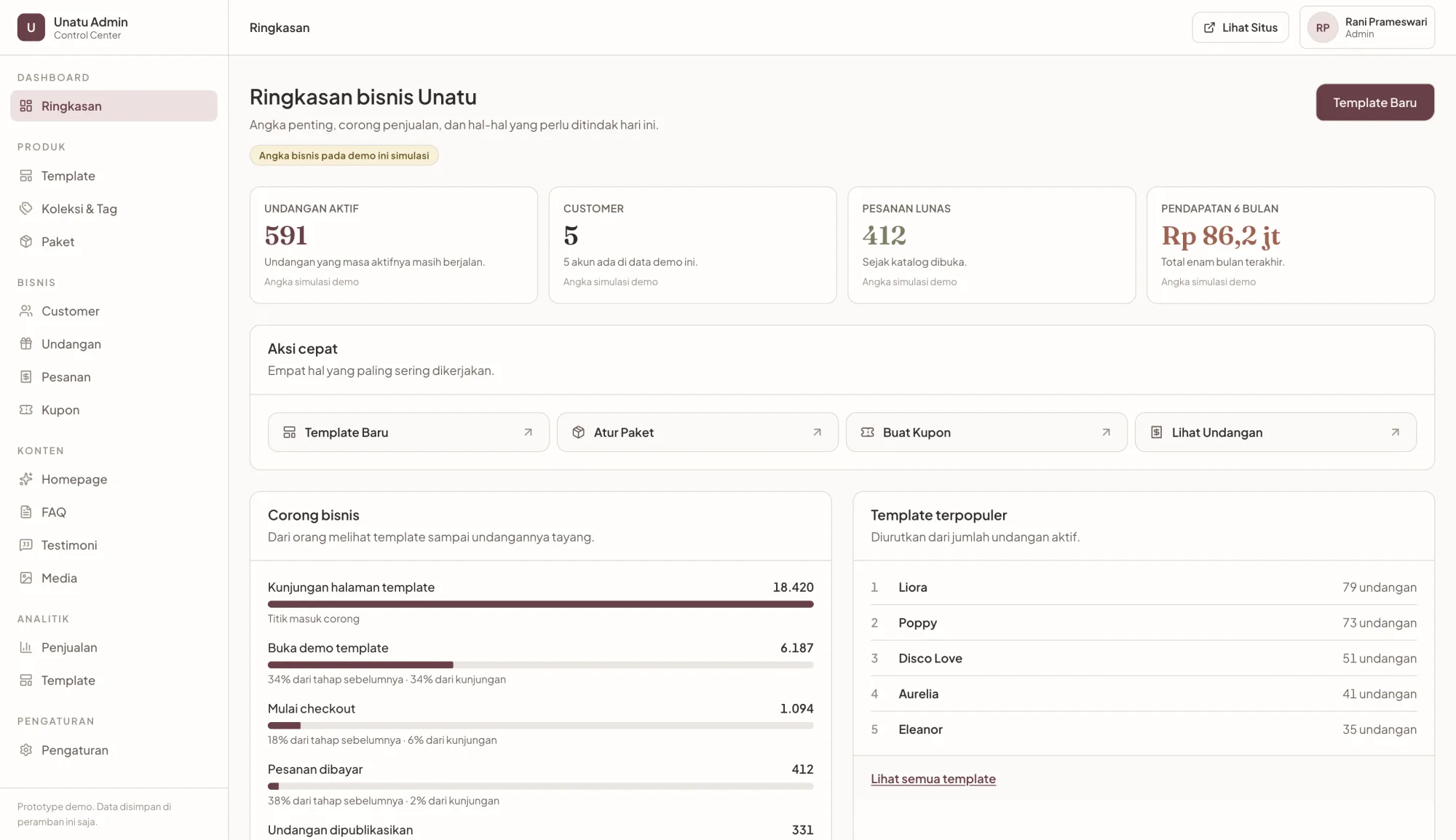
- Admin / business management view
Main Workflow
- Business manages templates
- Customer selects a template
- Customer fills invitation content
- Platform maps content into the template
- Invitation is reviewed and published
Business
- Manages multiple customer projects
GALLERY
More of the system.
WHAT THIS CASE DEMONSTRATES
Capability shown by this project.
- Turning a manual service into a repeatable platform
- Self-service content customization
- Template-to-output content mapping
- Role-based access across visitor, customer, and admin